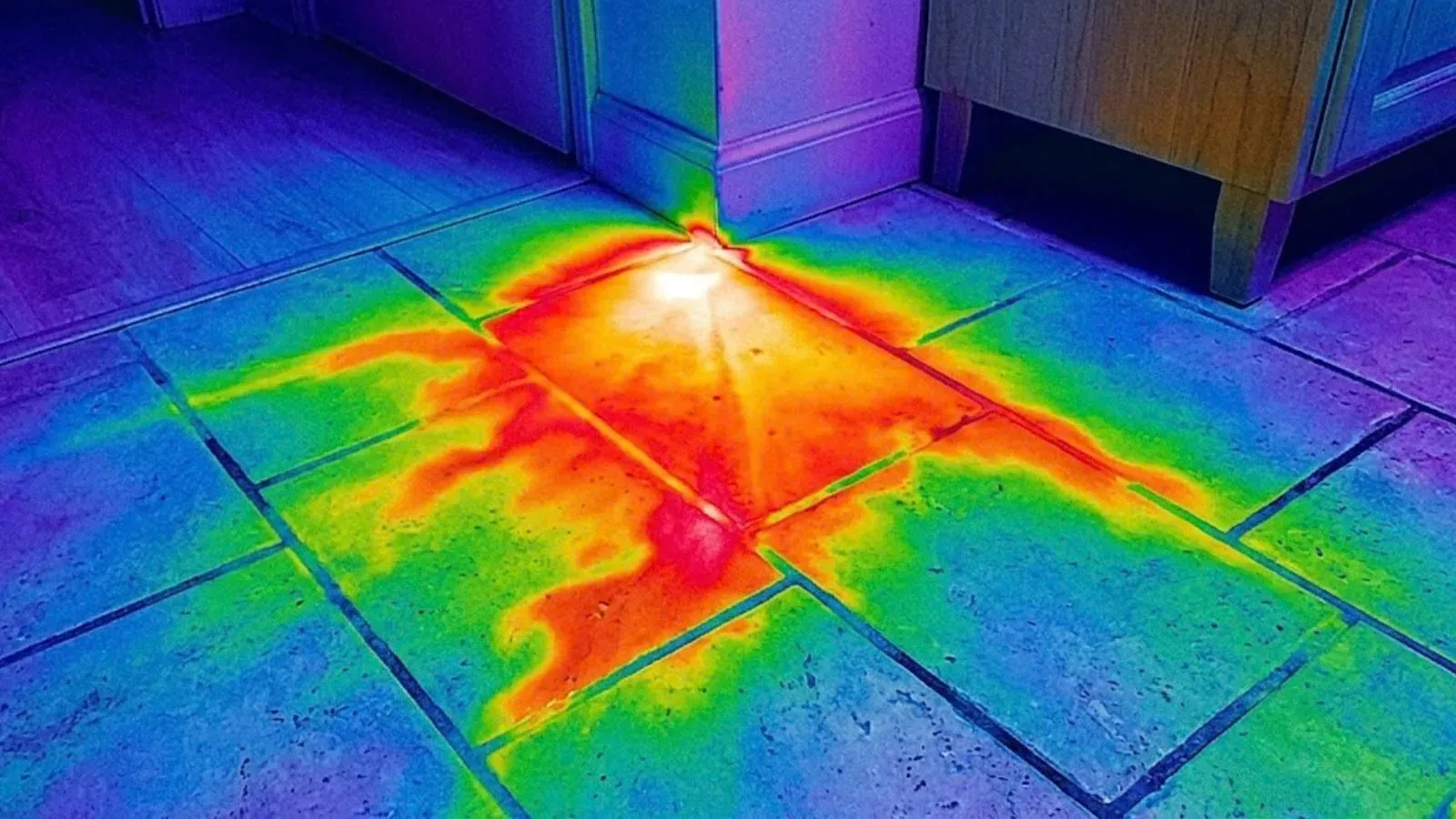
Detection and repair are separate steps
A slab leak has two parts. First the plumber finds where the water is escaping, and then a repair method is chosen. Detection answers one question: where is the leak. You pay for that answer, and then you decide what to do with it.
That is why a good plumber quotes detection first and repair after. It keeps you from approving a large repair before the location is known.
What goes into a detection quote
Each of these factors can raise or lower the price.
| Factor | Why it matters |
|---|---|
| Size of the house | More pipe and more zones take more time |
| Number of zones to isolate | Each zone is tested separately |
| Tools used | Acoustic, thermal and pressure testing each add time |
| Flooring and access | Finished floors and tight spaces slow the work |
| Time of day | After-hours calls can price differently |
How the search works
The plumber starts with the water meter. With everything off, a moving meter confirms a leak. Then the house is isolated in zones, usually by closing valves and testing pressure on each line, to learn whether the leak is on the hot side, the cold side or the drain.
Next comes listening gear and, where useful, a thermal camera. Listening gear picks up the sound of water escaping, and a thermal camera shows temperature differences from a hot water line. The plumber marks the spot on the floor. Our leak detection page describes the tools in more detail.
Ways to keep detection cost down
Do your own meter test first, and write down the readings. Have the main valve and any zone valves cleared so the plumber can reach them. Tell the plumber about warm floor spots, the sound you hear and when the bill started rising. Every fact narrows the search and saves time.
Dealing with this right now? Call the line and describe what is happening.
Call (407) 964-8940Does insurance pay for detection
Some homeowner policies cover the cost of finding a leak when a covered loss is involved, and many do not cover the pipe itself. Policies differ a lot, so call your carrier before work starts. Ask whether they require a particular process or documentation, and keep the plumber's written findings.
Comparing quotes fairly
A cheap quote that does not include a written finding is worth little. Ask what tools are used, whether the leak will be marked and whether a written summary comes with it. Ask whether the fee is credited if you hire the same company for the repair. Do not choose only by price, because a wrong location costs more in extra concrete work.
What happens after the leak is found
The next steps follow a clear order.
- You see the finding. The plumber shows you the marked spot and explains the cause.
- Options are priced. Spot repair, rerouting and lining are compared. See slab leak repair.
- You choose. Nothing is opened until you agree.
- Repair and test. The line is repaired and pressure tested.
- Restoration. Flooring and concrete are patched, sometimes by a separate trade.
What a written finding should contain
Ask for the location of the leak, drawn or photographed on the floor, the type of line that is leaking and the evidence that supports it, such as pressure test results or recorded sound. A good report also states the likely cause and the repair options. Keep it, because insurers, future buyers and other contractors may all ask for it.
When detection finds nothing
Sometimes the leak is not under the slab. It can be in the wall, the attic, the irrigation system or the service line outside. A professional explains what was ruled out and what to test next. That clear exclusion is itself valuable, because it stops you from paying for a slab repair you do not need.
Why slab leaks matter in Apopka
Apopka gets about 50 inches of rain a year over roughly 115 rainy days, per climate data for the city, and the ground stays damp. A small buried leak can hide in damp soil for a long time, so the first hint is often a bill that climbs. The City of Apopka's website lists a utility billing page, which is the place to check your usage history if your bill jumps.
Slab foundations are common in Central Florida. Ask the City of Apopka building division whether a slab repair needs a permit for your address.
We also run leak detection in Ocoee and Altamonte Springs.
Standards and sources. Pipe and fittings that carry drinking water should be listed to NSF/ANSI 61, and installation follows the Florida Building Code, Plumbing and the pipe maker's instructions. We do not quote code sections from memory, so ask the City of Apopka building division what your job needs.
Slab leak detection questions from Apopka homeowners
Yes. Detection finds the leak, and repair is quoted after you see the finding.
Many visits take a couple of hours, and a large house takes longer.
No. Tools work from the surface, and only the repair opens the floor.
The plumber explains what was tested. Sometimes the cause is outside the slab, such as a service line or irrigation.
The City of Apopka utility billing page is the place to start.
Want a plumber to look at it? Call the line and describe what you see.
Call (407) 964-8940